

Colombian Decaf Coffee: How Does Decaffeination Actually Work?
Coffee is one of the world's most popular sources of caffeine, but not everyone wants the stimulant effect with every cup. The FDA notes that decaf coffee typically contains around 2–15 mg of caffeine per 8-ounce cup, compared with substantially more in regular coffee. Importantly, decaf means reduced caffeine, not zero caffeine. Source
That small distinction is worth knowing before getting into the world of Colombian decaf coffee.
For many coffee drinkers, the appeal is simple: they enjoy the aroma, flavour and ritual of coffee but would rather keep their caffeine intake lower, particularly later in the day.
But this naturally raises another question:
If caffeine is removed from coffee, does the coffee lose its flavour too?
Not necessarily.
Modern decaffeination is designed to remove most of the caffeine while retaining as much of the coffee's desirable flavour and aroma as possible. And that is what makes good decaf coffee beans so interesting.
What Exactly Is Decaf Coffee?
Decaf coffee is made from coffee beans that originally contain caffeine.
The caffeine is removed from the green coffee before the beans are roasted.
So, decaffeinated coffee isn't a different type of coffee plant. It begins as normal coffee.
The difference happens during processing.
This is also why the term "decaf" should not be confused with "caffeine-free." The FDA specifically explains that decaffeinated coffee still contains some caffeine because the process removes most, rather than all, of it.
For someone who wants to reduce caffeine rather than eliminate every trace of it, this distinction is important.
Why Do People Choose Decaffeinated Coffee?
There isn't one reason.
Some people simply don't enjoy the stimulating effect of caffeine.
Others prefer coffee in the evening but don't want as much caffeine close to bedtime.
Some coffee drinkers want to enjoy multiple cups throughout the day while reducing their overall caffeine intake.
And for some, it's simply about preference.
The FDA notes that caffeine affects people differently and that sensitivity can vary depending on factors including body weight, medications and individual differences. For most adults, the FDA cites 400 mg of caffeine per day as an amount not generally associated with negative effects, while emphasizing that individual sensitivity varies.
So, is decaf coffee "better" than regular coffee?
That's not really the right question.
It's about which type suits your preferences and caffeine needs.
Does Decaf Coffee Have Any Negative Effects?
This is probably the question many people have before trying it.
For most people, there is no reason to think of properly processed decaf coffee as inherently negative simply because it has gone through a decaffeination process.
However, decaf is not completely caffeine-free, so people who are extremely sensitive to caffeine should keep that in mind. The FDA specifically notes that people who react strongly to caffeine may want to avoid even decaffeinated beverages because they can still contain small amounts.
There can also be individual considerations.
For example, if you're pregnant, trying to become pregnant, breastfeeding, taking certain medications or managing a condition affected by caffeine, it's sensible to discuss your caffeine intake with a healthcare professional.
So the simple answer is:
Decaf isn't something you need to view negatively. It is simply coffee that has undergone a process to significantly reduce its caffeine content.
And like regular coffee, the overall experience depends on the beans, processing, roasting and preparation.
How Does Decaffeination Actually Work?
This is where things get interesting.
Coffee beans are naturally complex. They contain hundreds of chemical compounds that contribute to aroma and flavour.
The challenge during decaffeination is to remove caffeine without stripping away too much of what makes the coffee enjoyable.
There are different approaches to decaffeination, and the method used can influence the final character of the coffee.
Bili Hu's Colombian Decaf Coffee, for example, uses a Dichloromethane Process. The coffee is sourced from Colombia, uses Arabica beans and is roasted as an Omni Roast. The decaffeination is carried out by CR3-Kaffeeveredelung M. Hermsen in Bremen, Germany.
The purpose of the process is to selectively remove most of the caffeine while retaining the main flavour compounds.
That's an important distinction.
The goal isn't to make a bean that tastes like "nothing."
The goal is to produce a coffee that still tastes like coffee.
A Simple Look at the Decaffeination Process
Without getting too technical, the process can be understood in a few broad stages.
1. Start With Green Coffee
Decaffeination generally happens before roasting.
The green coffee beans are prepared so that caffeine can be extracted more easily.
2. Make the Caffeine Accessible
The beans are treated in a controlled way that allows the caffeine to move out of the bean.
This is an important part of the process because the flavour compounds need to remain as intact as possible.
3. Separate the Caffeine
Depending on the method, a solvent or another extraction medium is used to separate caffeine from the coffee.
Bili Hu's Colombian Decaf uses the Dichloromethane Process. The product page states that this method removes most of the caffeine while allowing the main flavour compounds to be retained.
4. Prepare the Beans for Roasting
Once the desired level of caffeine removal has been achieved, the beans are processed and prepared for roasting.
At this stage, they're still green coffee.
5. Roast the Coffee
The beans can then be roasted just like other coffee.
This is where the roast profile becomes important.
The roasting process develops the aroma, body, sweetness and flavour that eventually appear in your cup.
Why the Origin Still Matters in Decaf
One misconception about decaf is that once caffeine has been removed, the origin of the coffee doesn't matter much.
That's not true.
The underlying coffee still contributes to the final flavour.
That's why Colombian decaf coffee can be particularly appealing.
Colombia has a strong reputation for producing Arabica coffee, and the characteristics of the original beans remain important even after decaffeination.
In Bili Hu's case, the Colombian Decaf is listed as Arabica beans from Colombia.
The decaffeination process doesn't erase the identity of the coffee.
It simply changes one important characteristic: its caffeine content.
Bili Hu Colombian Decaf Coffee: What Makes It Interesting?
For anyone looking to try decaf coffee beans, Bili Hu's Colombian Decaf is designed to retain the sensory experience of specialty coffee while significantly reducing caffeine.
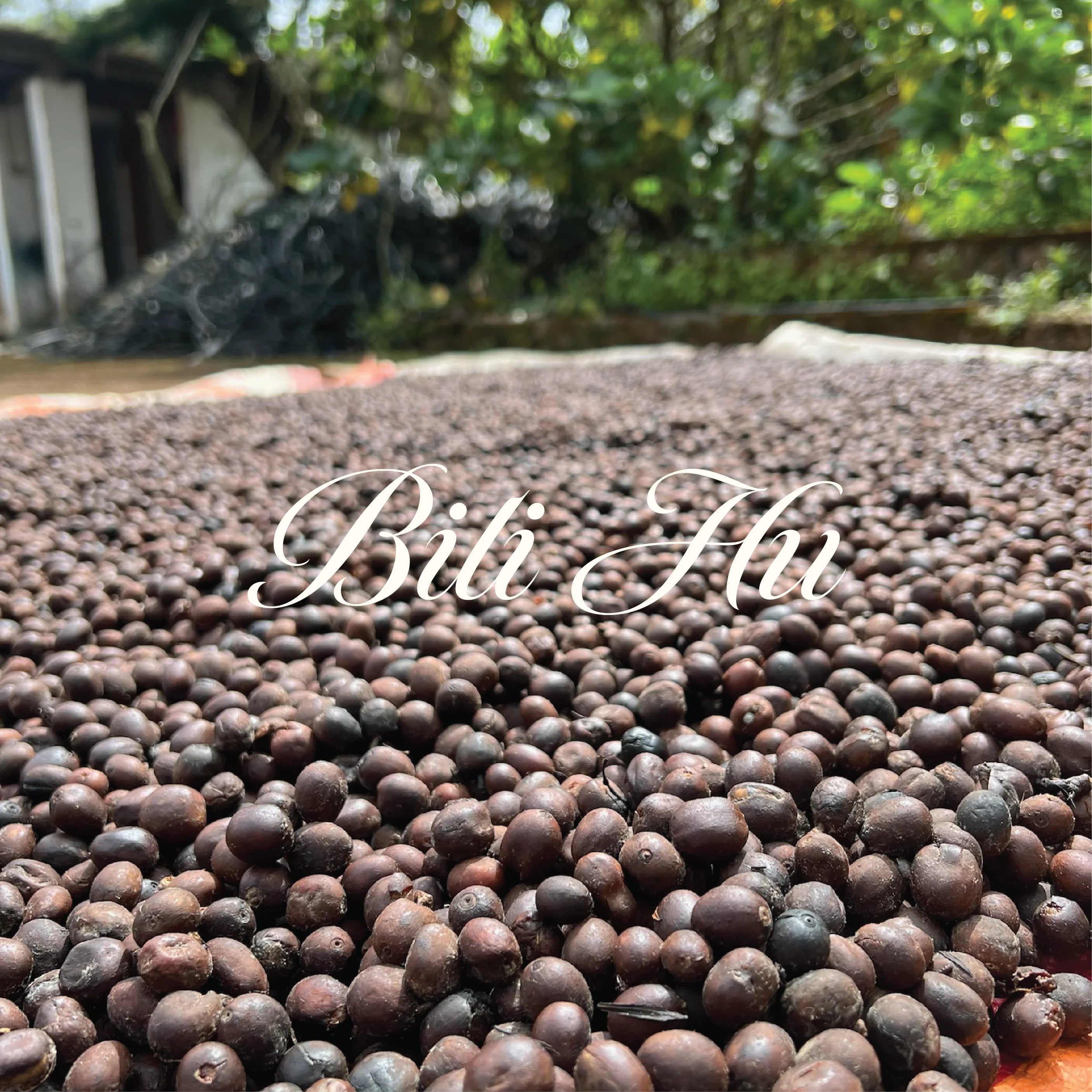
The product specifications are:
-
Origin: Colombia
-
Variety: Arabica
-
Post-harvest process: Dichloromethane Process
-
Roast: Omni Roast
-
Whole-bean profile: Dark chocolate, roasted nuts, maple syrup
-
Listed flavour impressions: Butter cookies, blood orange and raisins
-
Acidity: Medium
-
Body: The product page lists full body in its main profile and medium body in its whole-bean flavour description
-
Decaffeination: CR3-Kaffeeveredelung M. Hermsen, Bremen, Germany
-
Brewing versatility: Suitable for methods ranging from French press to espresso.
That flavour combination makes it quite approachable.
Dark chocolate and roasted nuts provide a familiar coffee character, while maple syrup adds sweetness. The product's additional flavour description brings in butter cookies, blood orange and raisins, giving the coffee more complexity.
Omni Roast: What Does It Mean?
Another interesting detail about Bili Hu's Colombian Decaf is the Omni Roast designation.
An Omni Roast is intended to be versatile across different brewing approaches rather than being developed exclusively for one method.
That can be useful for people who don't have just one coffee routine.
You might use a French press on a relaxed weekend.
You might make espresso when you're in a hurry.
You might use another brewing method altogether.
Bili Hu describes this coffee as performing across multiple brewing methods, including French press and espresso.
For a decaf coffee, that versatility can be especially useful because people often want to enjoy it at different times of the day.
Can Decaf Coffee Still Taste Like Proper Coffee?
Absolutely.
This is one of the biggest misconceptions about decaf.
A poorly made decaf may taste flat or lack character, but that isn't an unavoidable feature of decaffeinated coffee.
The quality of the original beans, the decaffeination process, roasting and brewing all matter.
Bili Hu's Colombian Decaf is specifically roasted to retain a balanced and nuanced profile, with the brand describing it as a coffee that delivers a rich, rounded experience while keeping caffeine low.
That is what you should ideally look for when choosing decaffeinated coffee beans.
Don't judge the coffee simply by the word "decaf."
Look at the origin, roast, processing and flavour profile too.
Decaf Coffee Beans vs Decaf Instant Coffee
There is also an important difference between decaf coffee beans and decaf instant coffee.
Decaf coffee beans are roasted whole beans that you grind before brewing.
They allow you to control:
-
Grind size
-
Brewing method
-
Coffee-to-water ratio
-
Extraction time
-
Strength
Decaf instant coffee is designed primarily for convenience.
You don't need a grinder, brewer or much preparation.
Neither is automatically "better."
It depends on what you're looking for.
If you enjoy the ritual and flavour development of freshly brewed coffee, whole decaf coffee beans can be a more interesting choice.
If convenience is your biggest priority, instant coffee can make more sense.
How to Brew Colombian Decaf Coffee
Since Bili Hu's Colombian Decaf is an Omni Roast, you have plenty of flexibility.
French Press
A French press can bring out the coffee's body and rounded character.
This is a good option if you enjoy a fuller cup.
Espresso
Espresso offers a more concentrated experience.
The dark chocolate and roasted-nut characteristics can work particularly well in this format.
Pour-Over
Pour-over can give you a cleaner cup and allow more delicate characteristics to come forward.
Moka Pot
If you enjoy a rich, intense coffee at home, the moka pot can be another option.
The key is not to assume that one brewing method is automatically correct.
Experiment.
The same Colombian decaf coffee can reveal different characteristics depending on how you prepare it.
When Is Decaf Coffee Most Useful?
One of the simplest advantages of decaf is timing.
If you enjoy coffee later in the day but want substantially less caffeine, decaf gives you another option.
It can also be useful when you're trying to reduce your overall caffeine intake without giving up the taste and ritual of coffee.
Some people use regular coffee in the morning and decaf later.
Others prefer decaf throughout the day.
There is no universal routine.
The important thing is understanding that decaf still contains some caffeine, so it shouldn't be treated as completely caffeine-free.
What Should You Look for When Buying Decaf Coffee Beans?
If you're shopping for decaffeinated coffee beans, don't stop at the word "decaf" on the packaging.
Look for:
Origin
Knowing where the beans come from gives you an idea of their underlying character.
Variety
Arabica, for example, can have a very different sensory profile from other coffee varieties.
Decaffeination method
Different methods exist, and understanding which one was used gives you more information about the coffee.
Roast profile
Roasting has a major impact on the final cup.
Tasting notes
These can help you choose coffee according to your preferences.
Brewing flexibility
If you use multiple brewing methods, an adaptable roast can be useful.
Bili Hu's Colombian Decaf provides all of these details, including Colombian origin, Arabica variety, Dichloromethane Process, Omni Roast and a detailed flavour profile.
Decaf Doesn't Mean You Have to Compromise on the Coffee Experience
This is perhaps the most important takeaway.
Choosing decaf doesn't have to mean choosing a boring cup.
The coffee can still have aroma.
It can still have body.
It can still have sweetness.
It can still have acidity and complexity.
And it can still be enjoyable to brew.
The difference is simply that most of the caffeine has been removed.
For someone who loves coffee but doesn't always want the caffeine that comes with it, that's a pretty useful option.
Final Thoughts
The idea of decaf has changed.
It doesn't have to mean an uninspiring substitute for regular coffee.
A well-selected Colombian decaf coffee can have its own character, origin and flavour identity.
Bili Hu's Colombian Decaf starts with Arabica beans from Colombia and uses a Dichloromethane decaffeination process designed to remove most of the caffeine while retaining key flavour compounds. Its Omni Roast profile is designed for versatility, with flavours described around dark chocolate, roasted nuts, maple syrup, butter cookies, blood orange and raisins.
And the numbers put the caffeine question into perspective: according to the FDA, an 8-ounce serving of decaf coffee typically contains around 2–15 mg of caffeine.
So, are there negatives?
For most people, decaf is simply another way to enjoy coffee with substantially less caffeine. It isn't completely caffeine-free, and anyone who is particularly caffeine-sensitive or has specific medical or pregnancy-related considerations should take their individual circumstances into account.
For everyone else, the choice can be wonderfully simple:
You can still enjoy the coffee. You just don't need as much caffeine to be part of the experience.
Frequently Asked Questions
Is decaf coffee completely caffeine-free?
No. Decaffeinated coffee still contains a small amount of caffeine. The FDA states that decaf coffee typically contains around 2–15 mg of caffeine per 8-ounce cup.
Is decaf coffee bad for you?
Decaf coffee is not inherently negative simply because it has been decaffeinated. The main thing to remember is that it still contains some caffeine. Individual responses can vary, so people with specific health concerns or caffeine sensitivity should consider professional advice.
How is coffee decaffeinated?
Decaffeination involves processing green coffee beans to remove most of their caffeine while aiming to preserve the compounds responsible for flavour and aroma. Different decaffeination methods use different extraction approaches.
What decaffeination method does Bili Hu use?
Bili Hu's Colombian Decaf Coffee uses the Dichloromethane Process. The product page states that the method removes most of the caffeine while retaining the main flavour compounds.
Where does Bili Hu Colombian Decaf Coffee come from?
Bili Hu's Colombian Decaf uses Arabica beans from Colombia. The decaffeination is carried out by CR3-Kaffeeveredelung M. Hermsen in Bremen, Germany.
What does Bili Hu Colombian Decaf Coffee taste like?
Its listed whole-bean profile includes dark chocolate, roasted nuts and maple syrup, while the product's flavour description also mentions butter cookies, blood orange and raisins.
What roast is Bili Hu Colombian Decaf?
It is listed as an Omni Roast, making it suitable for different brewing styles.
Can Colombian decaf coffee be used for espresso?
Yes. Bili Hu specifically describes its Colombian Decaf as versatile across brewing methods including French press and espresso.
What is the difference between decaf coffee beans and decaf instant coffee?
Decaf coffee beans are roasted whole beans that you grind and brew, giving you greater control over the brewing process. Decaf instant coffee is prepared for convenience and can be made quickly without a grinder or brewing equipment.
Is Colombian coffee good for decaf?
Yes. Decaffeination doesn't remove the importance of coffee origin. Colombian Arabica beans can still provide distinctive flavour characteristics after most of the caffeine has been removed.
Can I drink decaf coffee at night?
Some people choose decaf in the evening because it contains substantially less caffeine than regular coffee. However, it isn't completely caffeine-free, so people who are highly sensitive to caffeine should keep that in mind.
Where can I buy Bili Hu Colombian Decaf Coffee?
You can find the product directly on Bili Hu's website: Colombian Decaf Coffee by Bili Hu

